Key Innovations in Steel Distribution Technology
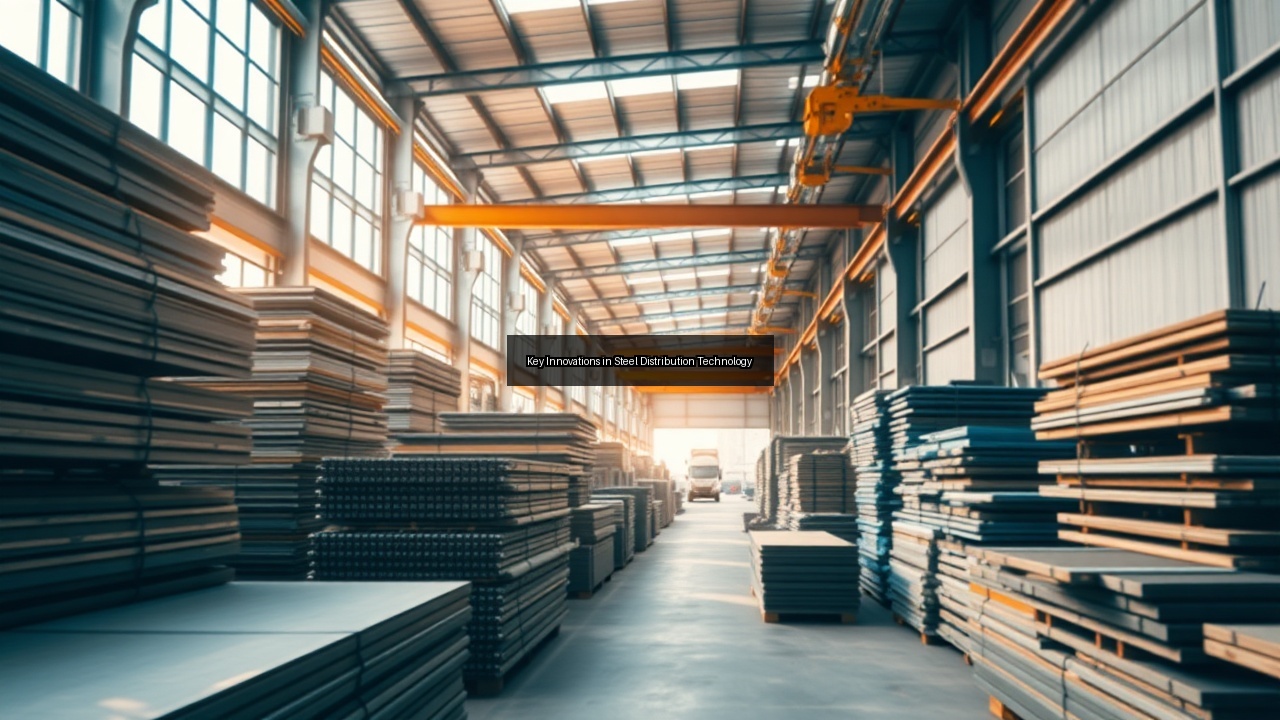
Evolution of Steel Distribution Technology
Historical Overview of Steel Distribution
The journey of steel distribution traces back to the industrial revolution when the demand for steel surged. Steel distributors played a crucial role in supplying this versatile metal to burgeoning industries. Initially, distribution relied on manual processes, with local suppliers managing limited inventories. The logistics involved in transporting steel, especially bulky items like beams and plates, posed significant challenges. As technology advanced, the introduction of railways and trucks revolutionized distribution methods, enabling faster and more efficient delivery. Steel distributors began to establish networks, connecting manufacturers with customers across wider geographical areas, thereby laying the foundation for modern distribution practices.
Emergence of Digital Platforms
The internet has transformed steel distribution, introducing digital platforms that streamline operations. Online marketplaces now allow steel distributors to showcase their products to a global audience, expanding steel metal distributor their reach beyond local boundaries. These platforms facilitate instant communication between suppliers and customers, allowing for quick inquiries and transactions. E-commerce solutions enable automated order processing, reducing manual errors and speeding up delivery times. By leveraging digital tools, steel distributors can manage their inventories more effectively, provide accurate product information, and implement transparent pricing strategies. This shift not only enhances customer experience but also drives competition among distributors, ensuring that customers receive the steel metal distributor best value for their investments.
Impact of Automation in Steel Distribution
Automation has reshaped the landscape of steel distribution, enhancing efficiency and accuracy. Automated systems manage inventory levels, track shipments, and facilitate order fulfillment, minimizing delays and human error. Technologies like RFID and barcoding enable real-time tracking of steel products throughout the distribution process. This transparency allows distributors to provide customers with live updates on order status, improving customer satisfaction. Additionally, automated machinery in warehouses speeds up the handling of heavy materials, reducing labor costs and improving safety. As automation continues to evolve, steel distributors can expect to see further enhancements in operational efficiency, allowing them to focus on strategic growth initiatives.
Key Innovations Driving Efficiency
Advanced Inventory Management Systems
Advanced inventory management systems have become indispensable for steel distributors seeking to optimize their operations. These systems utilize sophisticated algorithms to forecast demand, ensuring that stock levels meet customer needs without overstocking. By analyzing historical sales data and market trends, distributors can make informed decisions about purchasing and stocking various steel products, including tool steels and high-speed steel. Efficient inventory management reduces carrying costs and minimizes waste, directly impacting the bottom line. Furthermore, integrating these systems with other digital tools allows distributors to automate reordering processes, ensuring that critical items remain in stock and accessible to customers when needed.
Real-Time Pricing Algorithms
Real-time pricing algorithms represent a significant innovation in steel distribution, enabling dynamic pricing strategies that reflect market conditions. Steel prices fluctuate based on factors such as raw material costs and demand fluctuations. Distributors that implement real-time pricing can adjust their prices instantly, ensuring competitiveness while maximizing profit margins. Customers benefit from transparency in pricing, gaining access to the most current prices available. This responsiveness not only enhances customer trust but also encourages loyalty, as customers appreciate the ability to make informed purchasing decisions based on accurate and timely information. For steel distributors, this innovation translates into a more agile business model capable of adapting to market changes.
Integration of AI and Machine Learning
The integration of artificial intelligence (AI) and machine learning into steel distribution systems provides profound insights and efficiencies. These technologies analyze vast amounts of data to identify patterns and predict future trends in customer purchasing behavior. AI-driven tools can enhance decision-making processes, from inventory management to demand forecasting. For instance, machine learning algorithms can predict which types of steel, such as stainless steel or galvanized products, will be in higher demand during specific seasons or economic conditions. By embracing these technologies, steel distributors can optimize their supply chains, reduce operational costs, and improve service delivery, ultimately leading to increased customer satisfaction and loyalty.
Types of Steel and Their Distribution
Tool Steels and High-Speed Steel
Tool steels and high-speed steel are essential components in various manufacturing processes, particularly in the production of cutting tools and machinery. Distributing these specialized steel types requires extensive knowledge of their properties and applications. Tool steels are known for their hardness and ability to withstand high temperatures, making them ideal for applications that demand precision. High-speed steel, on the other hand, offers excellent wear resistance and high hardness, allowing for more effective machining. Steel distributors must maintain a diverse inventory of these steels, ensuring that they can meet the specific needs of customers across different industries, including automotive and aerospace. Proper handling and storage of these materials are essential to preserve their quality and performance.
Stainless Steel and Its Applications
Stainless steel has gained popularity due to its corrosion resistance and aesthetic appeal. It finds applications in a wide range of industries, from food processing to construction. The distribution of stainless steel requires a keen understanding of various grades and their specific uses. Distributors must educate customers about the differences between grades, such as 304 and 316 stainless steel, and their suitability for particular applications. Efficient logistics and inventory management systems become critical for steel distributors dealing with stainless steel, as demand can fluctuate significantly based on industry trends. Providing reliable delivery and maintaining high stock levels of popular grades is crucial for satisfying customer requirements and gaining a competitive edge.
Hot Rolled vs. Galvanized Steel Distribution
Understanding the differences between hot rolled and galvanized steel is crucial for steel distributors. Hot rolled steel undergoes a specific manufacturing process that results in a strong, malleable product ideal for structural applications. In contrast, galvanized steel is coated with zinc to enhance its corrosion resistance, making it suitable for outdoor applications and environments prone to moisture. Distributors must carefully manage their inventory to cater to the varying demands for these steel types. Additionally, educating customers about the benefits and applications of each type ensures they make informed purchasing decisions. Effective distribution strategies, including timely delivery and accurate product information, empower distributors to thrive in a competitive marketplace.
Challenges and Opportunities for Steel Distributors
Navigating Market Fluctuations
Steel distributors face significant challenges due to market fluctuations, which can impact pricing and demand. Factors such as changes in raw material costs, tariffs, and international trade dynamics contribute to price volatility. Distributors must develop agile strategies to navigate these challenges effectively. This includes diversifying their inventory to include various steel types and grades, ensuring they can adapt to changing customer needs. Additionally, forming strong relationships with suppliers can provide more stable pricing and supply. By staying informed about market trends and leveraging data analytics, steel distributors can make proactive decisions that enhance their resilience and capitalize on emerging opportunities.
Customer-Centric Distribution Strategies
Emphasizing customer-centric distribution strategies is vital for steel distributors looking to maintain a competitive edge. Understanding customer needs and preferences allows distributors to tailor their offerings and enhance service delivery. Implementing feedback mechanisms enables distributors to gather insights directly metal distributors from customers, informing product selection and inventory management. Furthermore, providing value-added services such as custom cutting, faster delivery options, and technical support can differentiate a distributor from competitors. By prioritizing customer satisfaction and building long-term relationships, steel distributors can foster loyalty and drive repeat business, ultimately leading to sustainable growth in a challenging market.
Sustainability in Steel Distribution
Sustainability has emerged as a critical consideration in steel distribution, driven by growing environmental awareness among consumers and regulatory pressures. Steel distributors must explore eco-friendly practices to minimize their environmental impact. This includes sourcing steel from suppliers that prioritize sustainable production methods and promoting the use of recycled steel. Additionally, optimizing transportation logistics can reduce carbon footprints, making distribution more efficient and environmentally friendly. By aligning their operations with sustainability goals, steel distributors not only enhance their reputation but also attract customers who value responsible sourcing. Embracing sustainability opens new opportunities for innovation and collaboration within the industry.