The Role of Foundries in the OEM Casting Landscape
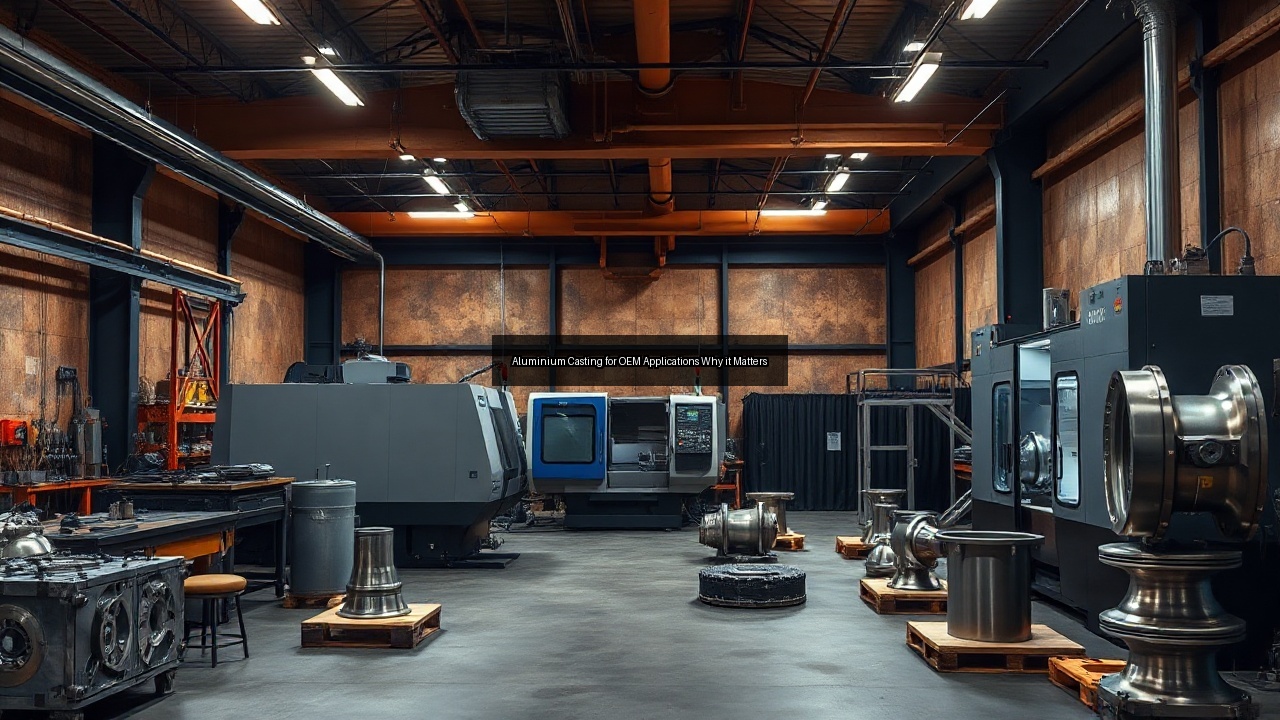
Understanding the OEM Casting Landscape
Overview of OEMs and Their Needs
OEMs demand reliable component suppliers who deliver precision parts on tight schedules across automotive, aerospace, and industrial sectors. These manufacturers specify exact tolerances, material properties, and performance standards that directly influence product reliability and cost efficiency. Foundries meet these demands by providing scalable production capacity and technical expertise in metal shaping. An OEM manufacturer often partners with specialized facilities to source castings that integrate seamlessly into final assemblies. This collaboration reduces lead times and ensures consistent quality across high-volume runs. OEMs evaluate suppliers on factors such as defect rates, traceability systems, and rapid prototyping capabilities. Strong foundry relationships allow OEMs to focus on design innovation while outsourcing complex forming operations. Market pressures push OEMs to seek partners who optimize both material usage and delivery performance simultaneously.
Importance of Metal Casting in OEM Manufacturing
Metal casting forms the backbone of OEM manufacturing because it produces near-net-shape components that minimize subsequent material removal. Foundries transform molten alloys into intricate geometries that machining alone cannot achieve economically. This process supports everything from engine blocks to structural brackets used in heavy equipment. OEM casting reduces waste compared to subtractive methods and enables rapid iteration during product development cycles. Manufacturers gain advantages in strength-to-weight ratios and fatigue resistance when they specify cast parts correctly. The technique also accommodates high production volumes without sacrificing repeatability. Metal casting for OEMs streamlines supply chains by consolidating multiple fabrication steps into one operation. Foundries that master these techniques help OEMs maintain competitive margins while meeting stringent regulatory and performance requirements across global markets.
Types of Casting Processes in OEM Applications
Investment Casting: Precision for Complex Designs
Investment casting delivers exceptional detail and surface finish for OEM components that feature thin walls, internal passages, and tight dimensional tolerances. Foundries create ceramic molds around wax patterns, then pour molten metal to capture every contour accurately. This method suits aerospace brackets, medical device housings, and turbine blades where weight savings and structural integrity matter most. OEMs choose investment casting when secondary machining must stay minimal. The process accommodates a wide range of alloys and produces parts with excellent metallurgical properties. Production runs scale efficiently once tooling is complete, making investment casting viable for both prototypes and series manufacturing. Quality controls such as x-ray inspection and chemical analysis ensure each batch meets OEM specifications. Foundries specializing in this technique often provide design-for-manufacturability feedback that further reduces costs and lead times for their clients.
Die Casting: Efficiency and High Volume Production
Die casting excels in high-volume OEM casting scenarios because it forces molten metal into reusable steel dies under high pressure. This approach yields consistent parts with fine surface detail and minimal porosity when parameters are controlled properly. Automotive OEMs rely on die castings for transmission housings, electronic enclosures, and structural nodes that require both speed and repeatability. Foundries optimize cycle times through advanced cooling channels and automated extraction systems. The process supports aluminum, magnesium, and zinc alloys that deliver lightweight performance without compromising strength. Die casting also integrates well with subsequent operations such as machining and coating. OEMs benefit from rapid production rates that align with just-in-time assembly schedules. Modern die casting facilities track process variables in real time to maintain quality across millions of cycles annually.
Sand Casting: Versatility and Cost-Effectiveness
Sand casting remains the most adaptable method for OEM components that range from large industrial frames to intricate prototypes. Foundries pack sand around patterns to form molds, then pour metal and break away the mold after solidification. This flexibility allows quick design changes without expensive tooling investments. OEMs use sand casting for low-to-medium volumes of parts such as pump bodies, valve housings, and agricultural equipment components. The process accommodates nearly any alloy and produces castings of substantial size that other methods cannot handle economically. Pattern materials range from wood to 3D-printed resins, further shortening development timelines. Foundries often combine sand casting with machining to achieve final tolerances required by OEM specifications. Cost advantages grow when volumes stay moderate or part geometries vary frequently.
Forging: Strength and Durability in OEM Components
Forging complements casting processes when OEMs require superior grain flow and impact resistance in critical load-bearing parts. Although distinct from traditional casting, forging often follows initial casting steps or serves as an alternative for specific applications. Foundries and forges collaborate to produce crankshafts, connecting rods, and suspension components that endure extreme cyclic stresses. The deformation process refines microstructure and eliminates internal voids that can occur in castings. OEMs specify forging when safety factors demand maximum toughness and fatigue life. Hybrid approaches that combine casting with localized forging deliver optimized properties at reasonable cost. Material selection focuses on steels and aluminum alloys that respond well to controlled heating and pressing sequences. This method supports both open-die and closed-die techniques depending on part complexity and production volume.
Materials Used in OEM Casting
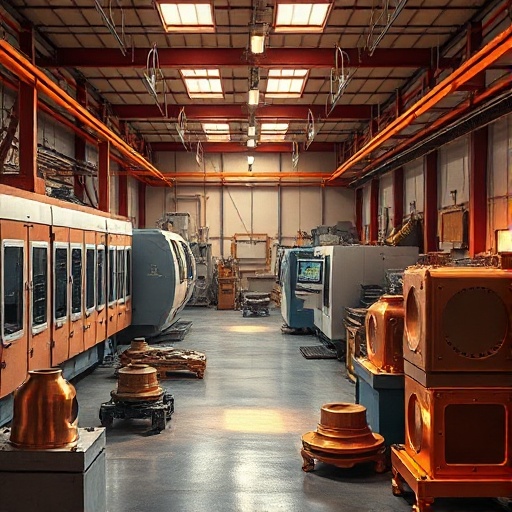
Aluminium Castings: Lightweight Solutions for OEMs
Aluminium castings provide OEMs with an ideal balance of low density, corrosion resistance, and thermal conductivity for modern vehicle and machinery designs. Foundries pour aluminum alloys into dies or molds to create engine components, transmission cases, and structural brackets that reduce overall system weight. Weight reduction directly improves fuel efficiency and payload capacity across transportation sectors. Aluminium also machines cleanly after casting, allowing precise features to be added without excessive tool wear. OEMs increasingly specify recycled aluminum content to meet sustainability targets while maintaining mechanical performance. Heat treatment options further tailor strength and ductility to application requirements. Foundries monitor melt quality and pouring temperatures closely to prevent defects such as shrinkage porosity. These practices ensure aluminium castings meet the rigorous standards demanded by global OEM supply chains.
Ductile Iron vs. Cast Iron: Choosing the Right Material
Ductile iron and cast iron each serve distinct OEM casting needs based on required mechanical properties. Ductile iron offers improved elongation and impact resistance through nodular graphite formation, making it suitable for crankshafts, gears, and pressure vessels. Cast iron provides excellent wear resistance and damping characteristics for machine bases and brake components. Foundries adjust chemistry and cooling rates to achieve the desired microstructure in each material. OEMs evaluate cost, machinability, and service environment when selecting between the two options. Ductile iron often replaces steel forgings in weight-sensitive applications without sacrificing strength. Cast iron remains economical for parts that experience primarily compressive loads. Both materials integrate well with subsequent CNC machining operations that produce final dimensional accuracy. Proper material selection starts with collaboration between the OEM engineering team and the foundry metallurgist.
The Role of Metals in Enhancing OEM Product Performance
Strategic metal selection in OEM casting directly influences product longevity, efficiency, and regulatory compliance. Foundries work with OEMs to match alloy characteristics to operating conditions such as temperature extremes, corrosive environments, and cyclic loading. Copper alloys provide electrical conductivity for power distribution components, while stainless grades resist oxidation in exhaust systems. Alloy development continues to expand options for higher strength at reduced weight. Traceability systems document every heat of metal from melt to finished casting, supporting OEM quality audits. Performance enhancements also come from controlled addition of elements that refine grain structure and improve fatigue resistance. Foundries test prototypes under simulated service conditions before approving production processes. This rigorous approach ensures that cast components contribute positively to overall system reliability and customer satisfaction.
Machining and Finishing in the OEM Casting Process
CNC Machining: Precision and Customization
CNC machining refines OEM castings to exact tolerances that raw casting processes cannot achieve alone. Foundries integrate multi-axis machining centers to bore holes, mill surfaces, and cut threads directly on cast parts before shipment. This in-house capability shortens supply chains and reduces handling damage. OEMs benefit from single-source responsibility for both casting and finishing operations. Toolpath optimization software minimizes cycle times while maintaining repeatability across production batches. CNC machining also enables feature customization without new casting tooling when design revisions occur. Inspection equipment such as coordinate measuring machines verifies dimensions against OEM drawings. Foundries that combine casting expertise with advanced machining deliver complete ready-to-assemble components that accelerate OEM manufacturing schedules.
The Importance of Post-Casting Processes in Quality Assurance
Post-casting operations verify that every OEM casting meets dimensional, mechanical, and cosmetic requirements before integration into final products. Heat treatment, surface finishing, and non-destructive testing form essential steps that foundries perform routinely. Shot blasting removes scale and improves paint adhesion, while impregnation seals porosity in pressure-tight applications. OEMs receive full documentation packages that include material certifications and inspection reports. Statistical process control tracks key variables throughout the casting process and subsequent machining steps. Any deviation triggers immediate corrective action to protect delivery schedules. These quality layers reduce warranty claims and strengthen long-term partnerships between foundries and OEM customers. Consistent post-casting discipline ultimately determines whether a supplier earns preferred status in competitive sourcing decisions.
The Future of OEM Casting and Foundries
Innovations in Casting Technology
Advanced simulation software now allows foundries to predict solidification behavior and optimize gating systems before the first pour. Additive manufacturing produces complex cores and patterns that expand design freedom in OEM casting projects. Real-time sensor data feeds into process control systems that adjust parameters automatically during production. These innovations reduce scrap rates and accelerate new product introduction timelines for OEMs. Hybrid manufacturing cells that combine casting with in-process machining further compress lead times. Foundries investing in these technologies position themselves as strategic partners rather than commodity suppliers. Continued development of high-temperature alloys and improved mold materials will unlock additional applications for metal casting across emerging industries.
Sustainability Trends in Metal Casting for OEMs
OEMs increasingly require foundries to demonstrate reduced energy consumption and higher recycled content in every casting produced. Electric melting furnaces and waste-heat recovery systems lower the carbon footprint of metal casting operations. Sand reclamation and water recycling programs minimize environmental impact while controlling operating costs. OEMs track supplier sustainability metrics as part of broader corporate responsibility goals. Foundries that adopt closed-loop processes gain competitive advantage when bidding on new programs. Lightweight aluminium and ductile iron solutions also contribute to downstream product efficiency, creating cascading environmental benefits. Certification programs such as ISO 14001 provide third-party validation of these efforts and build trust with environmentally conscious OEM customers.
Global Trends and Market Insights in OEM Casting
Regional supply chain shifts have prompted OEMs to diversify foundry partnerships across multiple continents. Nearshoring strategies reduce logistics risks while maintaining access to specialized casting expertise. Market demand remains strong for high-integrity castings in electric vehicle platforms and renewable energy equipment. Foundries that master both traditional processes and emerging digital tools capture growing shares of OEM spending. Price volatility in raw materials encourages long-term contracts that stabilize costs for both parties. Data-driven quality systems enable remote auditing and faster approval cycles across borders. OEM casting continues to evolve as a strategic capability that supports product differentiation and manufacturing resilience worldwide.
See Also
- Ductile Iron vs Cast Iron Which Material Reigns Supreme in OEM Casting
- Aluminium in OEM Casting Why It’s the Metal of Choice for Manufacturers
- The Future of OEM Casting How Technology is Reshaping the Industry
- Unlocking the Secrets of OEM Casting for High-Quality Metal Parts
- Maximizing Efficiency in OEM Casting with Advanced CNC Machining